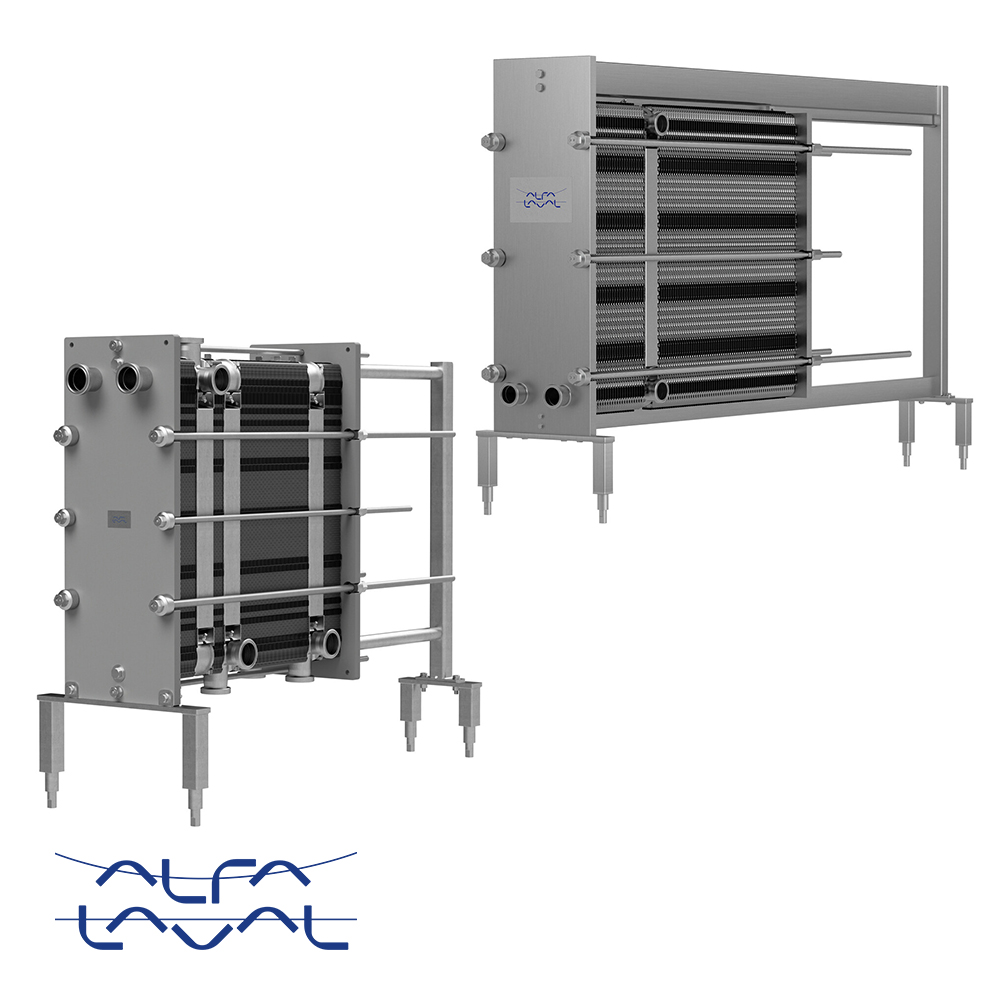
Elevate process hygiene and product safety with the Alfa Laval Hygienic Line. This premium series of plate heat exchangers is engineered to enhance both process hygiene and energy efficiency. Designed specifically for hygienic applications, it sets new standards in cleanliness while minimizing the carbon footprint. Perfect for food, beverage, pharmaceutical, and other industries, it delivers exceptional performance and total operational efficiency.
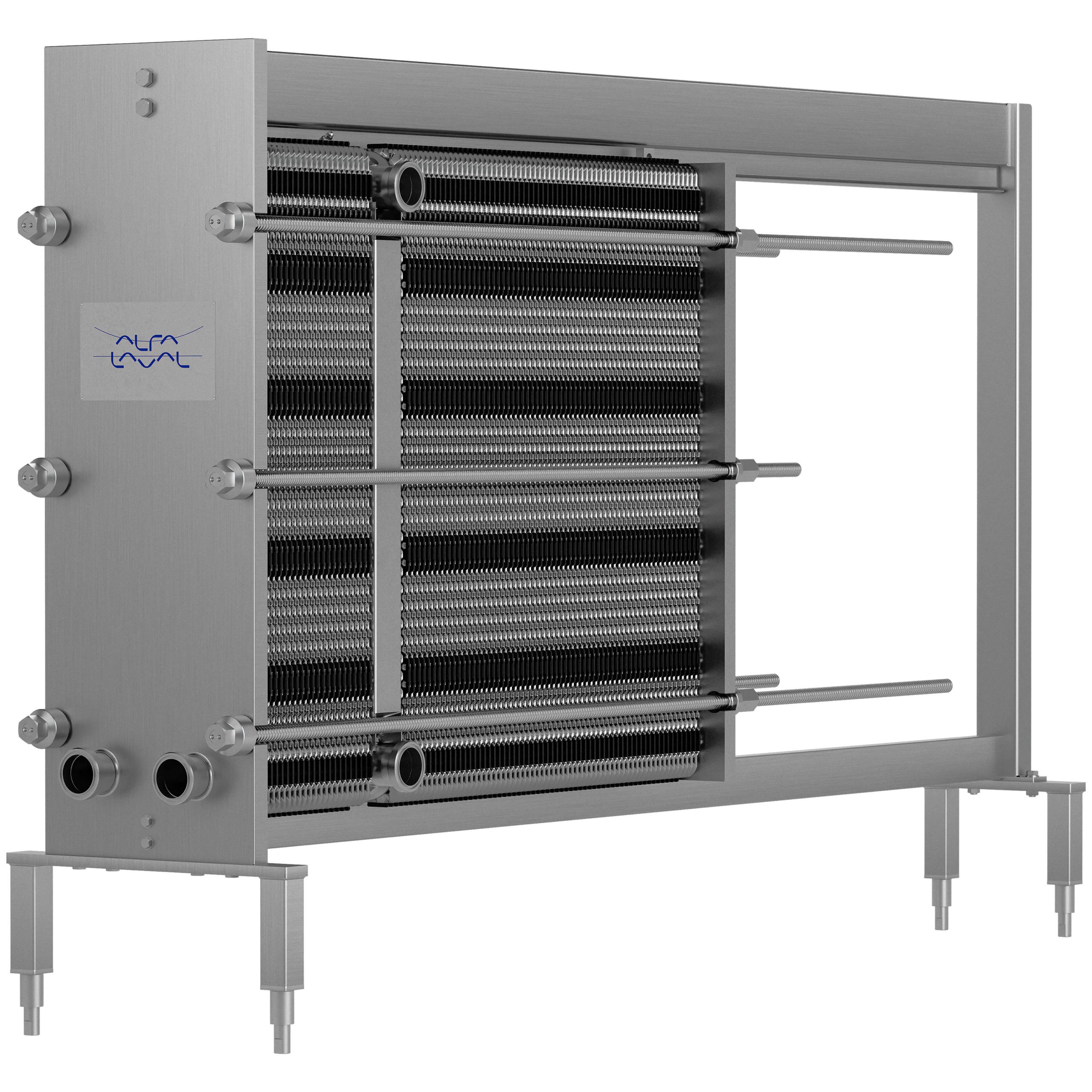
The Hygienic WideGap is specially designed for handling fluids with fibers and particles. This cutting-edge technology delivers significant energy savings and heat recovery, overcoming the limitations of traditional shell-and-tube heat exchangers. Perfectly suited for food processing, the Hygienic WideGap excels with a broad range of products—from pulp-filled juices and purées to crushed tomatoes, dressings, and even plant-based beverages.
As a general guideline, a plate-and-frame heat exchanger should be professionally inspected at least once a year. More frequent inspections may be appropriate depending on the application, operating conditions, cleaning procedures, production demands, and how frequently the heat exchanger is used.
Common signs include leaks, changes in operating temperature, increased pressure drop, reduced heat transfer performance, product buildup, reduced clean-in-place (CIP) effectiveness, or visible damage to the plates, gaskets, or frame.
During an inspection, plates should also be checked for corrosion, deformation, or other damage. Gaskets should remain flexible and free of cracks, tears, or deterioration.
If performance has changed or cleaning is becoming less effective, Oliver M. Dean can help determine whether the heat exchanger needs cleaning, maintenance, replacement components, or further inspection.
Cleaning focuses on removing product residue, scale, and other deposits that can interfere with heat transfer and sanitary operation.
Maintenance goes further by inspecting the condition of the plates, gaskets, frame, and other components and repairing or replacing parts as needed. A complete maintenance program may include cleaning, plate inspection, leak or crack detection, regasketing, and replacement of damaged components.
For more extensive service, plate packs may also be removed for professional cleaning, inspection, or regasketing.
Yes. Depending on the condition of the heat exchanger, worn gaskets, damaged plates, frame components, and other parts can often be replaced without replacing the entire unit.
Replacement plates, gaskets, frame parts, and complete replacement plate packs may be available depending on the model. Oliver M. Dean can help identify the appropriate replacement components and determine whether repair or replacement makes the most sense.
The best option depends on the condition of the plates, gaskets, and frame, along with the heat exchanger’s current performance and process requirements.
An inspection can help determine whether the appropriate next step is cleaning, regasketing, replacement plates, frame repair, a retrofit, or replacement of the complete heat exchanger.
Oliver M. Dean can help evaluate your existing Alfa Laval equipment and recommend the most practical option based on its condition, maintenance needs, performance, and process requirements.